- Mumbai Hype
- Posts
- Crawford Market Mumbai: A Journey Through Colonial-Era Commerce and Heritage Shopping
Crawford Market Mumbai: A Journey Through Colonial-Era Commerce and Heritage Shopping
Discover Chor Bazaar Mumbai—India's largest flea market. Find antiques, vintage items, and hidden treasures. Complete guide with timings, location & shopping tips.

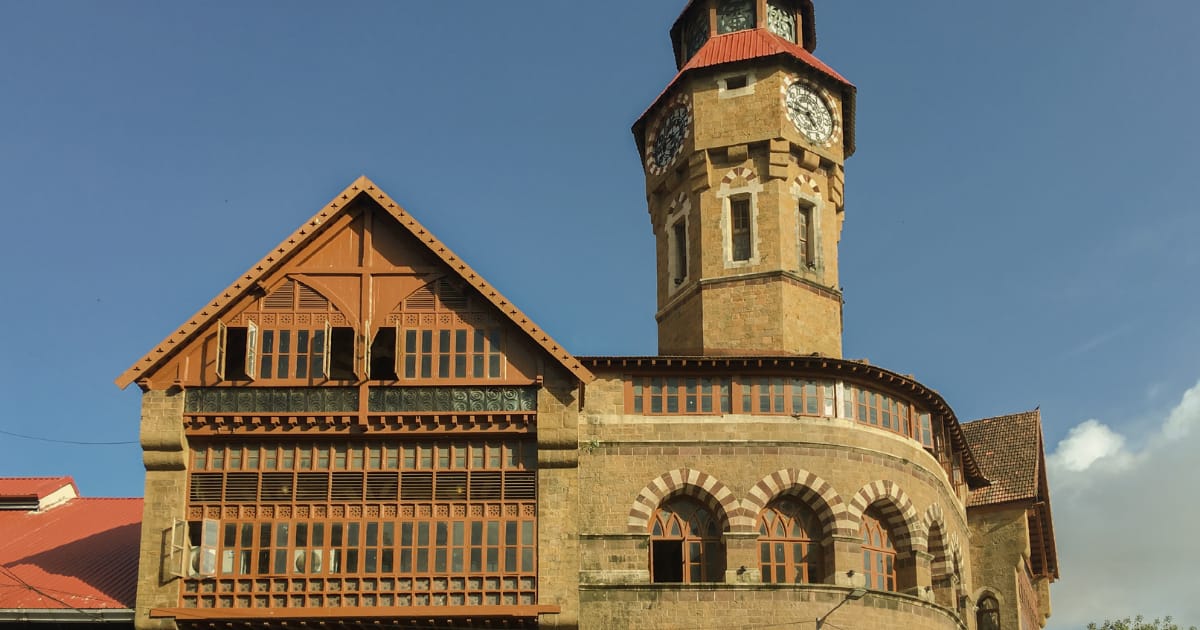
When you step through the imposing stone arches of Crawford Market, you're not just entering another Mumbai shopping destination—you're walking into a living monument of colonial-era commerce that has served this city for over 150 years. Located in the heart of South Mumbai, this Victorian-era wholesale market represents a fascinating intersection of British architectural ambition and Mumbai's enduring mercantile spirit.
The Birth of an Iconic Market
Crawford Market was completed in 1869 and gifted to the city by the philanthropist Cowasji Jehangir. Originally named after Arthur Crawford, Mumbai's first Municipal Commissioner, the market was later officially renamed Mahatma Jyotiba Phule Mandai to honor the Indian social reformer. However, locals continue to affectionately call it Crawford Market, a name that has become synonymous with authentic Mumbai shopping experiences.
The market emerged during a period of rapid urban transformation in colonial Bombay. Built to address the need for groceries and essentials in South Bombay during colonial times, it continues to thrive as a bustling trading hub. What began as a solution to colonial-era supply demands has evolved into one of Mumbai's most beloved heritage landmarks.
Architectural Marvel: Where Victorian Meets Indian
The market was designed by British architect William Emerson, who had been a pupil of William Burges. This was one of Emerson's earliest major commissions, and it showcased his ability to blend European architectural styles with functional tropical design.
The edifice represents a blend of Norman and Flemish architectural styles. Spanning approximately 22,471 square meters, the building features distinctive design elements that set it apart from typical market structures. The construction used coarse buff-colored Kurla stone combined with red stone from Bassein, creating a visually striking facade that has withstood Mumbai's harsh monsoons for over a century.
One of the most impressive features is the 15-meter high skylight awning designed to allow ample sunlight to brighten up the marketplace during the day. This thoughtful design ensures natural ventilation—a crucial consideration for Mumbai's tropical climate.
The market's artistic embellishments add another layer of heritage value. John Lockwood Kipling, father of novelist Rudyard Kipling, created the bas-reliefs on the main entrance. These detailed friezes depict scenes of Indian rural life—farmers working in fields, harvesting crops—serving as a beautiful tribute to the agrarian roots that once fed this growing city.
A remarkable milestone came in 1882 when the building became the first in India to be lit up by electricity, demonstrating the progressive spirit of the times. At the market's center stands an ornate fountain, also designed by Emerson with sculptural work by Kipling, though it's now somewhat hidden among the bustling vendor stalls.
What Makes Crawford Market a Shopping Paradise
Today, Crawford Market offers everything from exotic fruits and vegetables to imported chocolates and pets, with the range being virtually endless. The market is organized into distinct sections, making navigation easier despite its vast size.
Fresh Produce Heaven
The market is famous for its amazing variety of fruits and vegetables available at wholesale prices. Walk through the produce section early in the morning, and you'll encounter pyramids of seasonal mangoes during summer, imported apples gleaming under the natural light, and exotic fruits that aren't easily found in regular supermarkets. The vendors here have been in the business for generations, and their knowledge about produce quality is unmatched.
The Legendary Spice Lane
One of Crawford Market's hidden gems is the lane known as Mirchi Galli. Here, small spice stores offer an aromatic journey through India's diverse culinary landscape. From Andhra Pradesh's fiery Guntur chilies to Kashmir's prized saffron, from turmeric to freshly ground peppers—this section is a chef's paradise. The wholesale prices make it attractive for both home cooks stocking their kitchens and restaurant owners sourcing ingredients.
Wholesale Shopping at Its Best
Crawford Market sprawls over 72,000 square feet and includes multiple lanes such as Abdul Rehman Street, Lohar Chawl, and Mangaldas Market. Each lane specializes in different categories:
Abdul Rehman Street is beloved by stationery enthusiasts, offering aesthetic folders, gift wrapping materials, wooden frames, and craft supplies at budget-friendly prices.
Lohar Chawl specializes in lighting fixtures—from statement ceiling lights to decorative table lamps, this is where interior designers and homeowners find affordable lighting solutions.
Flower Lane features artificial flowers, floral decorations, vases, and terrariums that rival the beauty of fresh flowers.
The home décor section offers everything from vintage trunk boxes to cane baskets, serving trays to dinner sets. For those furnishing a new home or refreshing their space, Crawford Market provides Instagram-worthy finds at wholesale rates.
Beyond Groceries
The market's diversity extends to clothing materials, accessories, imported chocolates, dry fruits, cosmetics, pet supplies, and even electronics. At the pet area, different varieties of dogs, cats, and birds can be found, though this section has been controversial due to concerns about animal welfare.
The Crawford Market Experience
Shopping at Crawford Market isn't just a transaction—it's an immersive cultural experience. The market buzzes with the energy of vendors calling out their wares, customers bargaining spiritedly, and the constant movement of goods being transported through narrow lanes.
Bargaining is Essential: Unlike modern retail stores with fixed prices, Crawford Market operates on negotiation. Don't hesitate to haggle—it's expected and part of the fun. Vendors often quote higher prices initially, especially during festival seasons.
Timing Matters: The market operates from approximately 9:00 AM to 8:00 PM Monday through Saturday, with most shops closed on Sunday. The best time to visit is early morning when produce is freshest and the crowds are manageable. By afternoon, the market becomes busier but also livelier.
Come Prepared: Carry cash, as many smaller vendors don't accept digital payments. Bring your own shopping bags—eco-friendly practices are increasingly encouraged. Wear comfortable shoes because you'll be walking through multiple sections.
Getting There
Crawford Market's location in South Mumbai makes it easily accessible:
By Train: Masjid Railway Station is the nearest stop, or you can alight at Chhatrapati Shivaji Terminus and take a short walk or cab ride.
By Bus: BEST buses, including routes 135, 124, 132, and 103, stop near the market.
By Taxi/App Cab: Simply enter "Crawford Market" or "Mahatma Jyotiba Phule Mandai" in your ride-sharing app for direct drop-off.
The market's proximity to other South Mumbai landmarks—including CST, Mangaldas Market, and Zaveri Bazaar—makes it easy to combine your visit with a broader exploration of the area's commercial heritage.
Festivals at Crawford Market
The market transforms during festivals. Visit during Diwali, and you'll find elaborate displays of decorative lights, diyas, and rangoli supplies. Come Christmas season, and the market becomes a wonderland of artificial Christmas trees, ornaments, and festive décor. Vendors stack their wares creatively, and the atmosphere becomes even more vibrant with holiday shoppers searching for perfect decorations.
Preserving Heritage While Embracing Modernity
In recent years, the Mumbai Heritage Conservation Committee has recognized Crawford Market as a heritage site and advocated for restoring the market's historical aspects while addressing issues like cleanliness and infrastructure improvements.
The market faces modern challenges—increased crowding, competition from shopping malls and e-commerce, and the need for better infrastructure. Yet it continues to draw both Mumbai residents and tourists who seek authentic shopping experiences that connect them to the city's commercial heritage.
Restoration efforts have focused on preserving the building's Victorian Gothic elements while making necessary modern updates. The goal is to maintain Crawford Market's cultural significance while ensuring it remains relevant for future generations.
Why Crawford Market Matters
In an era of sterile shopping malls and algorithm-driven e-commerce, Crawford Market represents something irreplaceable—a tangible connection to Mumbai's commercial past. This market has witnessed everything from the jazzy era of Bombay to the era where the city of dreams turned into the city of aspirations and hustle.
The market's value extends beyond commerce. It's a social space where relationships between vendors and regular customers span decades. It's where Mumbai's home cooks discover seasonal ingredients, where small business owners source inventory, and where tourists experience the authentic pulse of the city.
The architectural significance alone makes Crawford Market worth preserving. William Emerson went on to design some of colonial India's most important buildings, including the Victoria Memorial in Kolkata. But Crawford Market remains one of his most successful integrations of European architectural principles with local functional needs and artistic elements.
Planning Your Visit
First-Time Visitors: Start at the main entrance to appreciate John Lockwood Kipling's bas-relief work. Walk through the produce section to understand the market's scale. Then explore the outer lanes based on your interests—stationery, home décor, spices, or textiles.
Photography: The exterior architecture is stunning for photos, especially in morning light. Inside, always ask vendors before photographing their stalls—most are accommodating if you're respectful.
Nearby Attractions: Combine your Crawford Market visit with nearby landmarks including Chhatrapati Shivaji Maharaj Terminus, Marine Drive, and the Gateway of India for a complete South Mumbai heritage experience.
The Future of Crawford Market
As Mumbai continues its rapid modernization, Crawford Market stands as a reminder of the city's layered history. The challenge lies in balancing preservation with progress—maintaining the market's authentic character while improving facilities and addressing legitimate concerns about hygiene and animal welfare.
For Mumbai Hype readers seeking to understand the city beyond its gleaming corporate towers and trendy restaurants, Crawford Market offers an essential perspective. Here, commerce retains its human scale, architecture tells stories of colonial ambition and local craftsmanship, and every purchase connects you to traditions that predate India's independence.
Whether you're a longtime Mumbaikar or a first-time visitor, Crawford Market invites you to slow down, engage with vendors, negotiate prices, and experience shopping as a social ritual rather than a mere transaction. In these covered halls where Victorian Gothic arches meet the aromatic chaos of Indian spices, you'll find Mumbai's commercial heart still beating strong after more than 150 years.
Practical Information:
Address: Lokmanya Tilak Road, Dhobi Talao, Chhatrapati Shivaji Terminus Area, Fort, Mumbai, Maharashtra 400001
Timings: Monday to Saturday, 9:00 AM to 8:00 PM (most shops); Sunday closed
Best For: Wholesale shopping, fresh produce, spices, home décor, stationery, architectural photography
Budget: Bargaining expected; prices significantly lower than retail stores
Duration: Allow 2-3 hours for comprehensive exploration