- Mumbai Hype
- Posts
- Diwali in Mumbai 2025: How the Festival of Lights Illuminates India's Financial Capital
Diwali in Mumbai 2025: How the Festival of Lights Illuminates India's Financial Capital
Discover how Diwali transforms Mumbai into a celebration hub with iconic traditions, bustling markets, dining experiences, and economic impact worth billions.

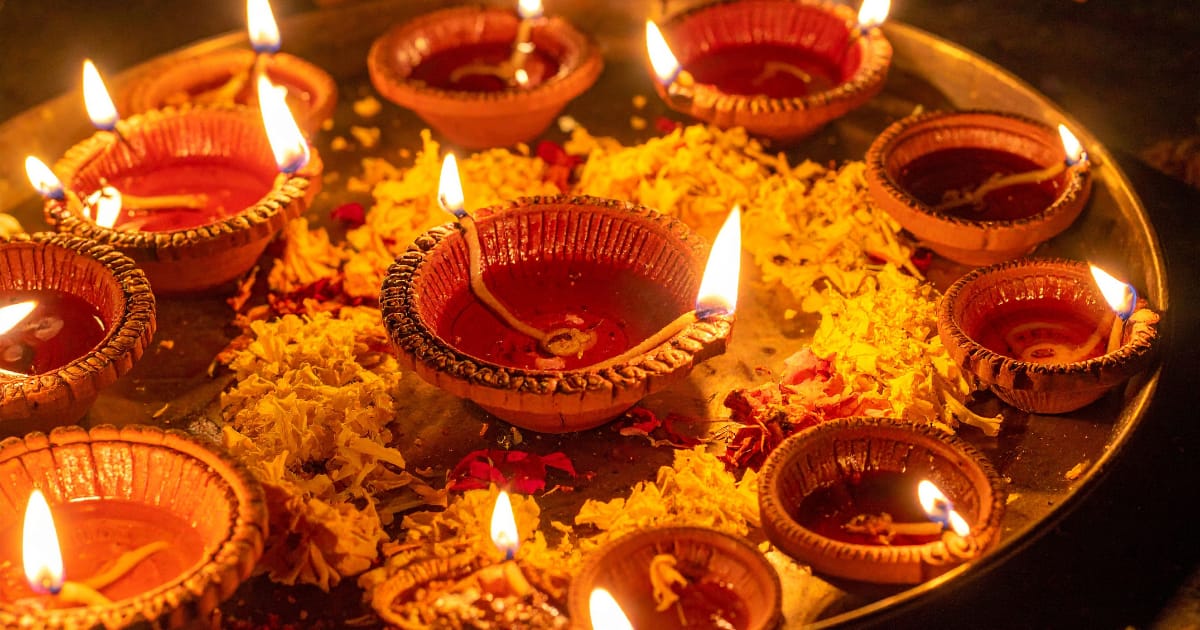
Mumbai transforms into a mesmerizing spectacle every October as Diwali, the Festival of Lights, sweeps across India's financial capital. In 2025, with Diwali celebrations spanning October 18-22, Mumbai once again proves why it's not just the city that never sleeps, but also the city that shines brightest during India's most beloved festival.
For a metropolis where millions chase their dreams daily, Diwali offers something rare: a collective pause, a moment when the relentless pace slows just enough for families to gather, traditions to flourish, and the entire city to bask in the warm glow of millions of diyas.
The Cultural Heartbeat of Mumbai's Diwali
A City United in Light
Mumbai's unique character shines through during Diwali. This is a city where Maharashtrian families perform traditional Lakshmi Puja alongside Gujarati communities celebrating their New Year, while Jain residents honor Mahavira's liberation. The festival weaves together Mumbai's diverse cultural fabric into a singular, luminous celebration.
The five-day festival—from Dhanteras to Bhai Dooj—sees Mumbai embrace traditions that have been passed down through generations. Early morning ritual baths with special 'utane' mixtures of sandalwood and turmeric, elaborate Lakshmi Puja ceremonies in the evening, and the lighting of countless diyas create an atmosphere that's distinctly Mumbaiker yet universally Indian.
Where Tradition Meets Modernity
What makes Diwali in Mumbai particularly special is how seamlessly ancient traditions blend with contemporary celebrations. While families still gather for traditional rangoli competitions and community pujas at temples like Siddhivinayak and Mahalaxmi, the younger generation simultaneously participates in rooftop parties, themed Diwali events at venues across the city, and modern celebrations that honor tradition while embracing change.
Mumbai's Iconic Diwali Destinations
Marine Drive: The Queen's Necklace Sparkles
When the sun sets on Diwali night, Marine Drive—already nicknamed the Queen's Necklace for its curved, lamp-lit promenade—becomes even more spectacular. The Art Deco buildings lining the seafront glow with decorative lights, while fireworks reflect off the Arabian Sea, creating a mirror of colors in the water below. Families gather along the promenade with homemade snacks, watching the city celebrate against the backdrop of the glittering skyline.
Crawford Market and Zaveri Bazaar: Shopping Paradise
No Diwali in Mumbai is complete without navigating the bustling lanes of Crawford Market and Zaveri Bazaar. Crawford Market transforms into a sensory wonderland with stalls overflowing with fresh flowers, decorative items, and traditional sweets. The century-old Zaveri Bazaar, Mumbai's jewelry hub, sees unprecedented footfall as families shop for gold—an auspicious Diwali tradition that's believed to bring prosperity.
The narrow lanes of South Mumbai light up with kandeel (traditional lanterns) from Mahim's LJ Road, while Dadar's flower market operates around the clock, supplying marigolds and roses for rangolis and temple offerings across the city.
Dharavi's Kumbharwada: Where Diyas Are Born
In an often-overlooked corner of Mumbai lies Kumbharwada in Dharavi, the potter's colony that has crafted diyas for generations. Here, artisans create everything from simple terracotta lamps to elaborate hand-painted designs adorned with sequins and mirrors. Visiting Kumbharwada isn't just about buying diyas—it's about connecting with the craftspeople who keep this ancient art form alive in the heart of modern Mumbai.
A Culinary Journey Through Mumbai's Diwali
Traditional Maharashtrian Faral
Diwali in Mumbai means indulging in traditional Maharashtrian faral—a spread of sweets and savory snacks that defines the festival's culinary identity. Chakli, karanji, shankarpale, and chivda fill homes with aromas that signal the arrival of the festival. Legendary sweet shops like Gokuldas Gathiawala in Dadar and MM Mithaiwala have served Mumbaikars for decades, their recipes unchanged and their quality uncompromised.
The preparation of faral becomes a community activity, with neighbors exchanging recipes and sharing their specialties, strengthening bonds that define Mumbai's tight-knit communities.
2025's Festive Dining Scene
This year's Diwali dining scene in Mumbai reaches new heights. Luxury hotels like JW Marriott Juhu, The St. Regis Mumbai, and Sofitel BKC have curated special Diwali brunches and tasting menus that blend traditional Indian flavors with contemporary culinary techniques. From Saffron's Awadhi celebration featuring Gosht Ki Nihari to Seven Kitchens' global buffet with a dedicated Diwali mithai station, Mumbai's restaurants offer experiences that cater to every palate.
Even casual venues like Berlin Brew Beer Garden and One8 Commune are hosting Diwali celebrations, proving that the festival's spirit extends beyond formal dinners to rooftop gatherings under open skies.
The Economic Powerhouse: Diwali's Impact on Mumbai
A Billion-Dollar Celebration
If there's one number that captures Diwali's importance to Mumbai and India, it's this: ₹4.25 lakh crore (approximately $50 billion). That's the estimated spending across India during the 2024 Diwali season—a tenfold increase from just five years ago. Mumbai, as India's financial capital, plays a disproportionately large role in this economic surge.
The festival season drives massive consumption across sectors. E-commerce platforms report 26% year-on-year growth, with goods worth ₹55,000 crore sold in the first week alone. Quick-commerce services operate round-the-clock, delivering last-minute gifts and forgotten ingredients for festive recipes.
Muhurat Trading: An Auspicious Tradition
At the Bombay Stock Exchange in Dalal Street, Diwali holds special significance through Muhurat Trading—a one-hour symbolic trading session considered auspicious to start the financial year. Since 1957, this tradition has seen traders and investors make token purchases, believing that trades made during this hour will bring prosperity throughout the year. In 2025, the Muhurat session is scheduled for October 21, from 1:45 PM to 2:45 PM.
Supporting Local Businesses
From the diya makers of Dharavi to the kandeel artisans of Mahim, from sweet shop owners to textile merchants in Lohar Chawl, Diwali provides crucial income for Mumbai's vast network of small businesses and artisans. The festival accounts for nearly 40% of annual revenue for many traditional businesses, making it essential not just culturally but economically.
Tier-2 cities and suburban Mumbai areas like Borivali, Kandivali, and Thane see tremendous economic activity, with local markets and businesses thriving as families return home for celebrations.
Environmental Consciousness: Mumbai's Green Diwali Movement
Balancing Tradition with Responsibility
Mumbai has led India's shift toward more environmentally conscious Diwali celebrations. The Maharashtra Pollution Control Board (MPCB) and Brihanmumbai Municipal Corporation (BMC) have implemented stricter guidelines for 2025, limiting firecracker bursting to a two-hour window (8 PM to 10 PM) on October 21 and mandating green crackers with noise levels below 125 decibels.
This isn't about diminishing the festival's joy but about protecting Mumbai's air quality and the wellbeing of its 20 million residents. Many communities have embraced alternatives: laser light shows, LED installations, and drone displays that capture Diwali's visual magic without the pollution.
Community-Led Initiatives
Housing societies across Mumbai organize collective celebrations with shared decorations, reducing waste while fostering community spirit. "No-cracker" zones have emerged organically, with residents choosing diyas and electric lights over fireworks. The trend reflects Mumbai's pragmatic approach: honor tradition while adapting to contemporary challenges.
Cultural Events and Entertainment
Music, Dance, and Celebration
Diwali 2025 in Mumbai features an impressive lineup of cultural events. Classical music concerts by artists like Rahul Deshpande and Mahesh Kale at venues like the Royal Opera House and Yashwant Natya Mandir blend tradition with artistic excellence. These performances, often sold out weeks in advance, showcase how Mumbai elevates festive celebrations into memorable cultural experiences.
Community Diwali melas pop up in neighborhoods across the city, from Shivaji Park to Juhu Beach, featuring food stalls, craft exhibitions, traditional dance performances, and games that bring families together. These grassroots celebrations often prove more memorable than expensive commercial events, embodying Mumbai's inclusive spirit.
The DIY Revolution
Workshop culture has taken root in Mumbai's Diwali preparations. From diya painting sessions to rangoli-making classes, from cooking workshops teaching traditional sweets to sustainable decoration seminars, Mumbaikars are choosing experiential celebrations over passive consumption. This trend reflects the city's creative energy and desire to pass traditions to younger generations through hands-on learning.
Diwali for Mumbai's Newcomers
Finding Home Away from Home
For the thousands who've moved to Mumbai for work or education—the college students, young professionals, and migrants who form the city's beating heart—Diwali can feel distant when celebrated away from family. But Mumbai has a unique way of embracing everyone into its fold.
Neighborhoods like Bandra, Dadar, and Juhu host open celebrations where newcomers are welcomed. Co-working spaces and corporate offices organize Diwali gatherings that create surrogate family experiences. The city's restaurant scene offers special thalis and traditional meals, ensuring no one celebrates alone.
Many young Mumbaikars create their own traditions: potluck dinners with roommates, photo walks capturing the city's Diwali decorations, volunteering at NGOs distributing sweets to underprivileged children, or simply taking in the spectacle at Marine Drive as the city lights up around them.
The Spiritual Dimension
Temples and Sacred Spaces
Mumbai's temples—from the ancient Banganga Tank with its floating diyas to the iconic Siddhivinayak Temple adorned with thousands of lights—become centers of devotion during Diwali. The spiritual aspect of the festival remains its core, with families performing elaborate pujas, seeking blessings for prosperity, health, and happiness.
The tradition of Lakshmi Puja, performed during Pradosh Kaal (the auspicious time after sunset), connects millions of Mumbaikars to centuries of tradition. Homes are cleaned and decorated not just for aesthetic appeal but as a symbolic welcome for Goddess Lakshmi, the deity of wealth and prosperity.
Looking Ahead: Diwali's Evolving Role
Preserving Heritage in a Modern Metropolis
As Mumbai hurtles toward the future—with metro lines expanding, skyscrapers rising, and technology transforming daily life—Diwali serves as an anchor to heritage and tradition. The festival reminds this relentlessly modern city of its roots, creating space for rituals that have endured for millennia.
Yet Diwali also evolves. Social media has transformed how people share celebrations, with Instagram stories and Facebook posts creating virtual communities. E-commerce has democratized access to decorations and gifts. Digital payments have made transactions seamless during the shopping rush.
The Festival That Unites
Perhaps Diwali's greatest importance to Mumbai lies in its unifying power. In a city often characterized by its diversity, differences, and divisions, Diwali creates moments of collective joy. The festival transcends religious boundaries—while rooted in Hindu tradition, it's celebrated by people of all faiths who appreciate its universal message of light overcoming darkness.
Whether it's the taxi driver who decorates his cab with marigolds, the street vendor selling sparklers at traffic signals, the corporate executive participating in office rangoli competitions, or the celebrity attending a high-profile Diwali party in Juhu—everyone becomes part of Mumbai's grand Diwali narrative.
More Than a Festival
Diwali in Mumbai is more than dates on a calendar or economic statistics. It represents the city's soul—its capacity for celebration despite challenges, its respect for tradition amid constant change, and its ability to create magic from millions of individual lights becoming one collective glow.
As you navigate Mumbai during Diwali 2025, whether you're a lifelong resident or a first-time visitor, you'll witness a city transformed. The financial capital becomes the festival capital, the city of hustle becomes the city of home, and the maximum city truly becomes the city of lights.
This Diwali, Mumbai doesn't just celebrate a festival—it celebrates itself, its people, and the eternal victory of light over darkness. And in doing so, it reminds everyone why this city, with all its chaos and contradictions, remains unmatched in its spirit and splendor.
Happy Diwali, Mumbai. May your lights never dim.